Nanocarriers have emerged as indispensable platforms for drug delivery, molecular imaging and precision diagnostics. Their rapidly expanding global application has intensified concerns regarding inflammation-driven toxicities and inter-individual variability in biological responses.
Recent in vivo and translational clinical studies demonstrate that key physicochemical parameters of nanocarriers play decisive roles in protein corona formation, cellular uptake pathways, immune recognition and organ-specific biodistribution. Variations in these parameters significantly influence interactions with plasma proteins, macrophages and endothelial barriers, thereby modulating systemic exposure and clearance.
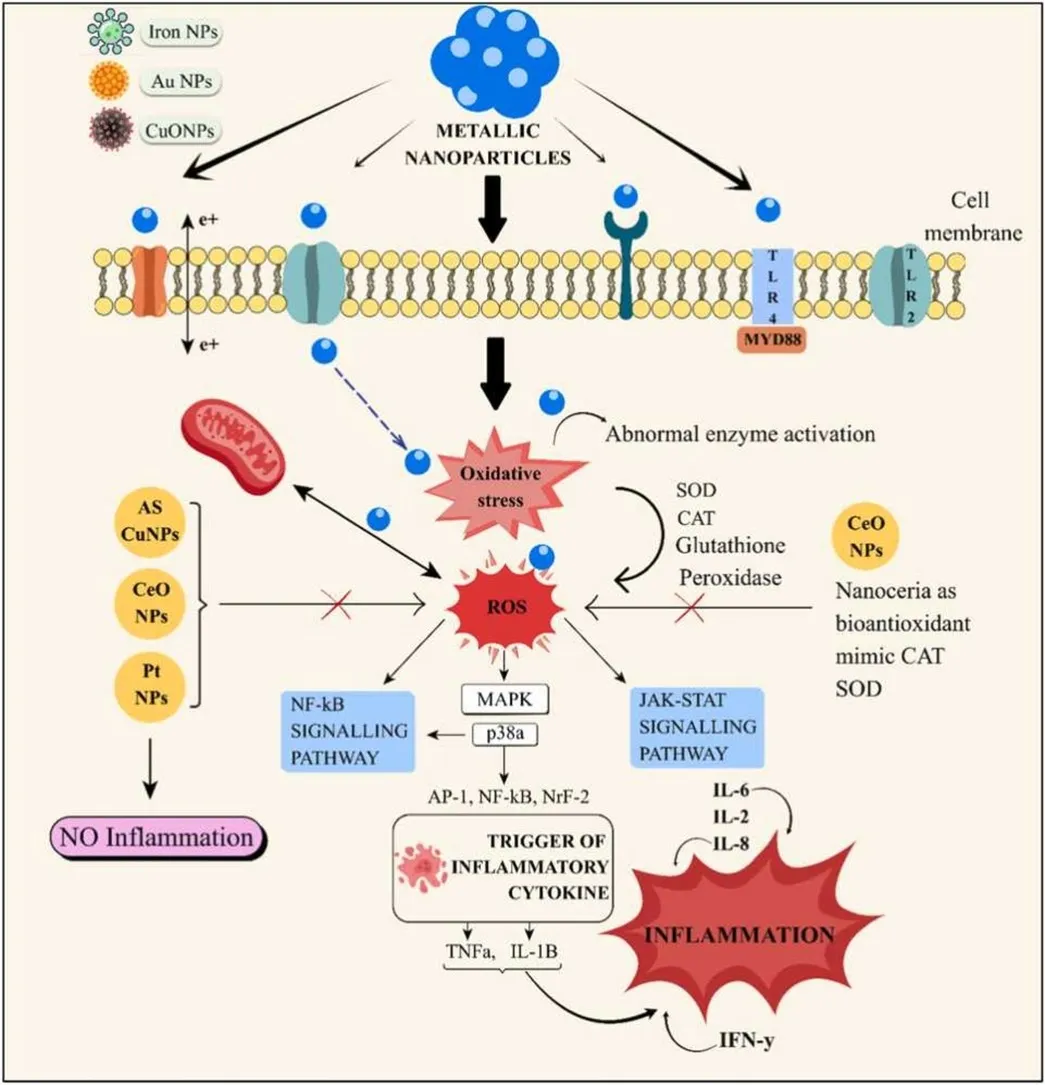
Aberrant nanocarrier internalization has been associated with mitochondrial dysfunction, excessive reactive oxygen species generation, lysosomal destabilization and activation of pro-inflammatory signaling pathways, including nuclear factor kappa B and mitogen-activated protein kinase cascades. Collectively, these events may culminate in chronic inflammation, tissue injury or immunotoxicity, particularly in susceptible populations. A comprehensive understanding of nanocarrier–host interactions, combined with rational design strategies and population-specific risk assessment, is essential to maximize therapeutic efficacy while minimizing adverse inflammatory outcomes.


 Research article